


همه محصولات
-
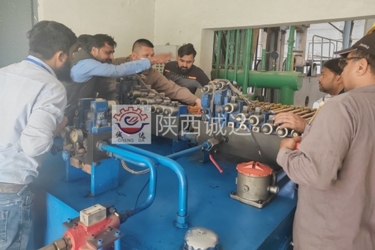 سید راشد احمد بُتشركت صنعتي فرن شانشي چنگدا، توليدات فرن قوس الکتريکي را به پايان رسيدند، کارگران با مهندسان چنگدا با دقت همکاری کردند تا تجهیزات را بياموزند و از آن استفاده کنند،نشان دهنده دوستی عمیق و همکاری عالی بین مردم چین و پاکستان.
 -
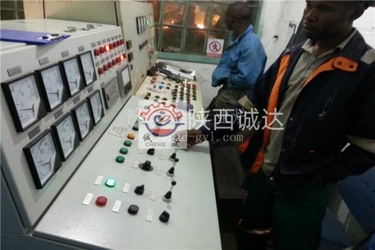 ابوباکاربعد از بیش از یک ماه تولید و عیب یابی،2 مجموعه تجهیزات اتاق رسوب گازهای دخانی تبادل حرارتی با موفقیت به کار گرفته شده است ~ تمام پرسنل درگیر در پروژه سخت کار کرده اند!
 -
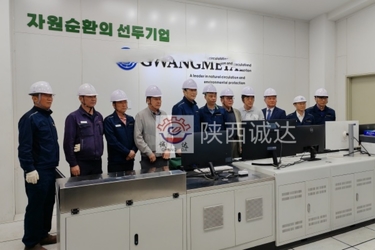 جي-وهانبه شما تبریک میگم شرکت تولید کوره صنعتی شانسی چنگدا در کره جنوبینصب تجهیزات کوره ذوب فلزات گرانبها و تولید دقیق و راه اندازی دقیق، منتظر آینده در زمینه های بیشتری برای دستیابی به همکاری سودمند متقابل!
تماس با شخص :
Du
شماره تلفن :
13991381852
کوره قوس زیر آب DC بزرگ شش الکترودی با فناوری/اختراع های پیشرو در جهان


| محل منبع | چین |
|---|---|
| نام تجاری | Shaanxi Chengda |
| گواهی | ISO 9001 |
| شماره مدل | براساس ظرفیت پردازش تجهیزات مذاکره کنید |
| مقدار حداقل تعداد سفارش | 1 واحد |
| قیمت | The price will be negotiated based on the technical requirements and supply scope of Party A |
| جزئیات بسته بندی | با توجه به الزامات خاص حزب A بحث کنید |
| زمان تحویل | 2 ماه |
| شرایط پرداخت | L/C، T/T، وسترن یونیون |
| قابلیت ارائه | زنجیره تأمین کامل تولید ، عرضه به موقع و مطابق با استانداردهای کیفیت |
جزئیات محصول
| برجسته کردن | کوره قوس زیر آب DC شش الکترودی,کوره قوس فولادسازی بزرگ,کوره قوس فرو رفته با حق ثبت اختراع |
||
|---|---|---|---|
توضیحات محصول
کوره قوس الکتریکی DC بزرگ شش الکترودی زیر آب
کوره قوس الکتریکی DC بزرگ شش الکترودی زیر آب یک دستگاه ذوب متالورژیکی با راندمان بالا و ظرفیت زیاد است که برای تولید فروآلیاژ، سیلیس صنعتی و کاربید کلسیم در مقیاس بزرگ بهینه شده است. با تکیه بر مزایای کوره های چهار الکترودی، از چیدمان الکترود شش ضلعی برای دستیابی به توزیع جریان یکنواخت تر، هم زدن الکترومغناطیسی قوی تر و راندمان ذوب بالاتر استفاده می کند و آن را برای پروژه های ذوب فوق العاده بزرگ (توان نامی ≥80MVA) ایده آل می کند.
1. ساختار اساسی و اصل کار
اجزای اصلی
| سیستم | اجزا و مشخصات کلیدی |
|---|---|
| سیستم الکترود | 6 الکترود گرافیتی/خود پخت که به صورت یک شش ضلعی منظم چیده شده اند. قطر 1000-1400 میلی متر. مکانیزم بالابر و تنظیم جریان مستقل برای هر الکترود |
| سیستم منبع تغذیه | ترانسفورماتور یکسو کننده تریستوری (طراحی تقسیم شده: 2-3 کابینت یکسو کننده به صورت موازی). راکتور DC. شورت نت با شینه مسی با مقاومت کم. توان نامی 80-150MVA |
| ساختار بدنه کوره | پوسته فولادی + آستر نسوز چند لایه (آجر کوراندوم-منیزیا + جرم کوبش کربنی). آند کف کوره رسانا (آجر گرافیت-کربن + لایه رسانای مسی) برای تحمل چگالی جریان بالا (≤5A/cm²). ظرفیت کوره 150-500 تن |
| سیستم های کمکی | سیستم آب خنک کننده با جریان بالا. سیستم کنترل هوشمند PLC + DCS. سیستم حذف گرد و غبار با حلقه بسته. سیستم تغذیه خودکار کمی |
اصل کار
جریان DC از سیستم یکسو کننده خارج می شود و به 6 الکترود بالایی (کاتدها) توزیع می شود. قوس بین الکترودها و بار مشتعل می شود و جریان از طریق قوس زیر آب و حوضچه مذاب به آند کف کوره رساناجریان می یابد و یک مدار اصلی پایدار تشکیل می دهد. چیدمان الکترود شش ضلعی یک میدان الکترومغناطیسی متقارن ایجاد می کند و حوضچه مذاب را برای انجام هم زدن دایره ای با شدت بالا هدایت می کند. این امر واکنش کاهش سنگ ها را تسریع می بخشد و دمای یکنواخت و ترکیب مذاب را تضمین می کند.
2. پارامترهای فنی کلیدی (مدل های فوق العاده بزرگ معمولی: 80-150MVA)
| شاخص پارامتر | محدوده مشخصات |
|---|---|
| توان نامی | 80-150MVA |
| کل جریان DC نامی | 60-125kA (10-21kA در هر الکترود، قابل تنظیم مستقل) |
| ولتاژ ورودی DC | 1000-1500V |
| قطر تک الکترود | 1000-1400 میلی متر |
| ظرفیت اسمی کوره | 150-500 تن (ذوب دسته ای برای فروآلیاژ) |
| دمای ذوب | 1900-2300℃ |
| مصرف برق | 3600-4500 کیلووات ساعت بر تن (سیلیس صنعتی). 2800-3500 کیلووات ساعت بر تن (فروکروم با کربن بالا) |
| مصرف الکترود | 0.4-0.8 کیلوگرم بر تن (20٪ کمتر از کوره های DC چهار الکترودی) |
| سیستم آب خنک کننده | نرخ جریان کل 800-1500 متر مکعب در ساعت. فشار آب 0.45-0.65 مگاپاسکال. هدایت ≤50 میکرو زیمنس بر سانتی متر |
| راندمان حذف گرد و غبار | ≥99.8٪. غلظت انتشار ≤5 میلی گرم بر متر مکعب |
| شدت هم زدن الکترومغناطیسی | 1.2-1.8T (شدت القای مغناطیسی) |
| عمر مفید آستر | 3-5 سال (برای ذوب فروآلیاژ) |
3. مزایای اصلی در مقابل کوره های قوس الکتریکی DC چهار الکترودی زیر آب
| مزیت | توضیحات دقیق |
|---|---|
| توزیع یکنواخت جریان و دما | چیدمان الکترود شش ضلعی نقاط داغ موضعی را در حوضچه مذاب از بین می برد. اختلاف دما در داخل کوره ≤50℃، که ترکیب محصول ثابت را تضمین می کند |
| چگالی توان و راندمان ذوب بالاتر | از ورودی توان فوق العاده بالا (تا 150MVA) پشتیبانی می کند. چرخه ذوب 15-20٪ نسبت به کوره های چهار الکترودی کوتاه شده است. خروجی ساعتی 20-30٪ افزایش یافته است |
| مصرف انرژی و الکترود کمتر | میدان الکترومغناطیسی متقارن تلفات انرژی قوس را کاهش می دهد. مصرف برق 8-12٪ کاهش می یابد. کنترل جریان الکترود مستقل از سوختن بیش از حد الکترودهای منفرد جلوگیری می کند و مصرف را 20٪ کاهش می دهد |
| پایداری سیستم قوی تر | طراحی منبع تغذیه تقسیم شده: اگر یک کابینت یکسو کننده از کار بیفتد، بقیه می توانند به کار خود ادامه دهند (نرخ بار ≥60٪). نوسان ولتاژ کم (≤±5٪)، سازگار با شبکه برق |
| مقیاس پذیری بهتر | طراحی الکترود و منبع تغذیه مدولار امکان توسعه ظرفیت گام به گام را فراهم می کند (به عنوان مثال، ارتقا از 80MVA به 150MVA بدون تعویض بدنه کوره) |
4. سناریوهای کاربردی
- تولید فروآلیاژ فوق العاده بزرگ
ذوب فروکروم با کربن بالا، فروسیلیسیم، سیلیس منگنز و فروتنگستن. مناسب برای پروژه هایی با تولید سالانه ≥100000 تن.
- ذوب سیلیس صنعتی با خلوص بالا
تولید سیلیس با خلوص ≥99.9٪ برای صنایع نیمه هادی و فتوولتائیک. میدان دمایی پایدار محتوای ناخالصی را کاهش می دهد.
- تولید کاربید کلسیم در مقیاس بزرگ
خروجی کاربید کلسیم تک کوره ≥200 تن در هر دسته. محتوای کاربید ≥85٪. مصرف انرژی 10-15٪ نسبت به کوره های سنتی کاهش یافته است.
- ذوب سنگ معدن فلزات کمیاب
ذوب کاهش سنگ معدن نیکل-کبالت، سنگ معدن تانتالم-نیوبیوم و مگنتیت وانادیوم-تیتانیوم. نرخ بازیابی عنصر آلیاژی بالا (≥97٪).
5. نکات کلیدی عملیات و نگهداری
احتیاط های عملیاتی
- کنترل عمق فرو رفتن الکترود: حفظ عمق فرو رفتن 1.5-2.0 متر در هر الکترود برای اطمینان از سوختن قوس زیر آب. از قرار گرفتن در معرض قوس خودداری کنید (باعث اتلاف انرژی و انتشار گرد و غبار می شود).
- تنظیم تعادل جریان: اختلاف جریان بین الکترودها را ≤5٪ از طریق سیستم DCS حفظ کنید. از اضافه بار الکترودهای جداگانه جلوگیری کنید.
- بهینه سازی سیستم سرباره: استفاده از سرباره با قلیائیت بالا (R=2.0-2.5) برای بهبود میزان گوگردزدایی (≥90٪) و کاهش فرسایش آستر.
تمرکز نگهداری
- نگهداری الکترود: به طور منظم اتصالات الکترود را از نظر محکم بودن بررسی کنید. الکترودها را زمانی که طول باقیمانده ≤500 میلی متر است تعویض کنید تا از شکستگی جلوگیری شود.
- بازرسی آند کف کوره: هدایت کف کوره را هر 3 ماه یکبار آزمایش کنید. در صورت مشاهده ترک، جرم کوبش کربنی را به موقع تعمیر کنید.
- نظارت بر سیستم خنک کننده: جریان آب و اختلاف دمای الکترودها و بدنه کوره را در زمان واقعی نظارت کنید. در صورت کافی نبودن جریان آب، فوراً خاموش کنید تا از سوختن جلوگیری شود.
6. مقایسه فنی با کوره های قوس الکتریکی DC چهار الکترودی زیر آب
| ویژگی | کوره قوس الکتریکی DC بزرگ شش الکترودی زیر آب | کوره قوس الکتریکی DC چهار الکترودی زیر آب |
|---|---|---|
| چیدمان الکترود | شش ضلعی منظم (متقارن) | مربع (جریان موضعی نامتقارن) |
| حداکثر توان نامی | 150MVA | 63MVA |
| یکنواختی دما | اختلاف ≤50℃ | اختلاف 80-120℃ |
| مصرف برق | 3600-4500 کیلووات ساعت بر تن | 3800-4800 کیلووات ساعت بر تن |
| خروجی ساعتی | 20-30٪ بیشتر | خروجی استاندارد |
| هزینه بازسازی | بالا (بدنه کوره جدید مورد نیاز است) | متوسط (بازسازی از کوره های AC امکان پذیر است) |
| مقیاس قابل اجرا | فوق العاده بزرگ (≥100000 تن در سال) | متوسط-بزرگ (30000-100000 تن در سال) |
7. روند توسعه
- ذوب هوشمند: ادغام فناوری های هوش مصنوعی و اینترنت اشیا برای تحقق تنظیم خودکار جریان الکترود، سرعت تغذیه و تخلیه سرباره. دستیابی به عملیات بدون سرنشین در محل.
- بازیافت انرژی: ترکیب سیستم های تولید برق حرارت زاید برای بازیابی گرمای گاز دودکش (دمای ≥1200℃)، کاهش مصرف کلی انرژی 20-25٪.
- ذوب سبز: اتخاذ طراحی بدنه کوره با حلقه بسته + حذف گرد و غبار خشک برای دستیابی به تخلیه صفر فاضلاب و انتشار فوق العاده کم آلاینده ها.
محصولات توصیه شده
